METAIRIE, LA, UNITED STATES, July 3, 2026 /EINPresswire.com/ — The beauty of a gemstone often captures attention first, but appearance is only one factor to consider when selecting jewelry intended for everyday wear. Gemstone hardness plays an important role in how well a stone withstands daily use, helping determine its resistance to scratches and surface wear over time.
Many people assume that all gemstones have similar durability, but different minerals vary significantly in hardness. Understanding those differences can help individuals make informed decisions when choosing rings, necklaces, bracelets, earrings, and other pieces that may be worn frequently.
Gemstone hardness is commonly measured using the Mohs Hardness Scale, which ranks minerals from 1 to 10 based on their ability to resist scratching. Developed by German mineralogist Friedrich Mohs in 1812, the scale remains a widely accepted reference in the jewelry industry.
A higher Mohs rating indicates greater scratch resistance, but hardness represents only one aspect of durability. Toughness, resistance to breaking, and sensitivity to heat or chemicals also influence how a gemstone performs during everyday use.
Diamonds rank at the top of the Mohs scale with a hardness of 10, making them highly resistant to scratching. Because of this characteristic, diamonds are frequently selected for engagement rings and other jewelry designed for daily wear.
Sapphires and rubies, both varieties of the mineral corundum, rank 9 on the Mohs scale. Their high hardness makes them suitable for rings, bracelets, and other jewelry that may encounter regular contact with hard surfaces.
Emeralds rank between 7.5 and 8 on the Mohs scale. Although relatively hard, many emeralds contain natural internal characteristics that may make them more susceptible to chipping if subjected to impact. Protective jewelry settings often help reduce this risk.
Topaz generally ranks around 8 on the Mohs scale, while aquamarine ranges between 7.5 and 8. These gemstones offer good scratch resistance, although care should still be taken to avoid strong impacts that could damage the stone.
Amethyst, citrine, garnet, tourmaline, and peridot typically range between 6.5 and 7.5 on the Mohs scale. These gemstones are commonly used in jewelry but may show surface wear more readily than harder stones when worn daily in high-contact settings.
Pearls, opals, turquoise, and certain organic gemstones rank much lower on the hardness scale. Pearls generally fall between 2.5 and 4.5, while opals range from approximately 5.5 to 6.5. These materials require additional care because they are more easily scratched during normal daily activities.
Jewelry design also influences gemstone protection. A durable gemstone placed in an exposed setting may still be vulnerable to accidental impacts. Conversely, protective settings such as bezels or designs that surround portions of the stone can help reduce the likelihood of accidental damage.
Lifestyle should also be considered when selecting jewelry. Individuals whose daily routines involve manual labor, athletics, gardening, construction, or frequent contact with tools may benefit from selecting harder gemstones or removing jewelry during certain activities.
Routine jewelry maintenance contributes to long-term appearance regardless of gemstone hardness. Regular inspections help identify loose settings, worn prongs, or other conditions that could increase the risk of damage or stone loss.
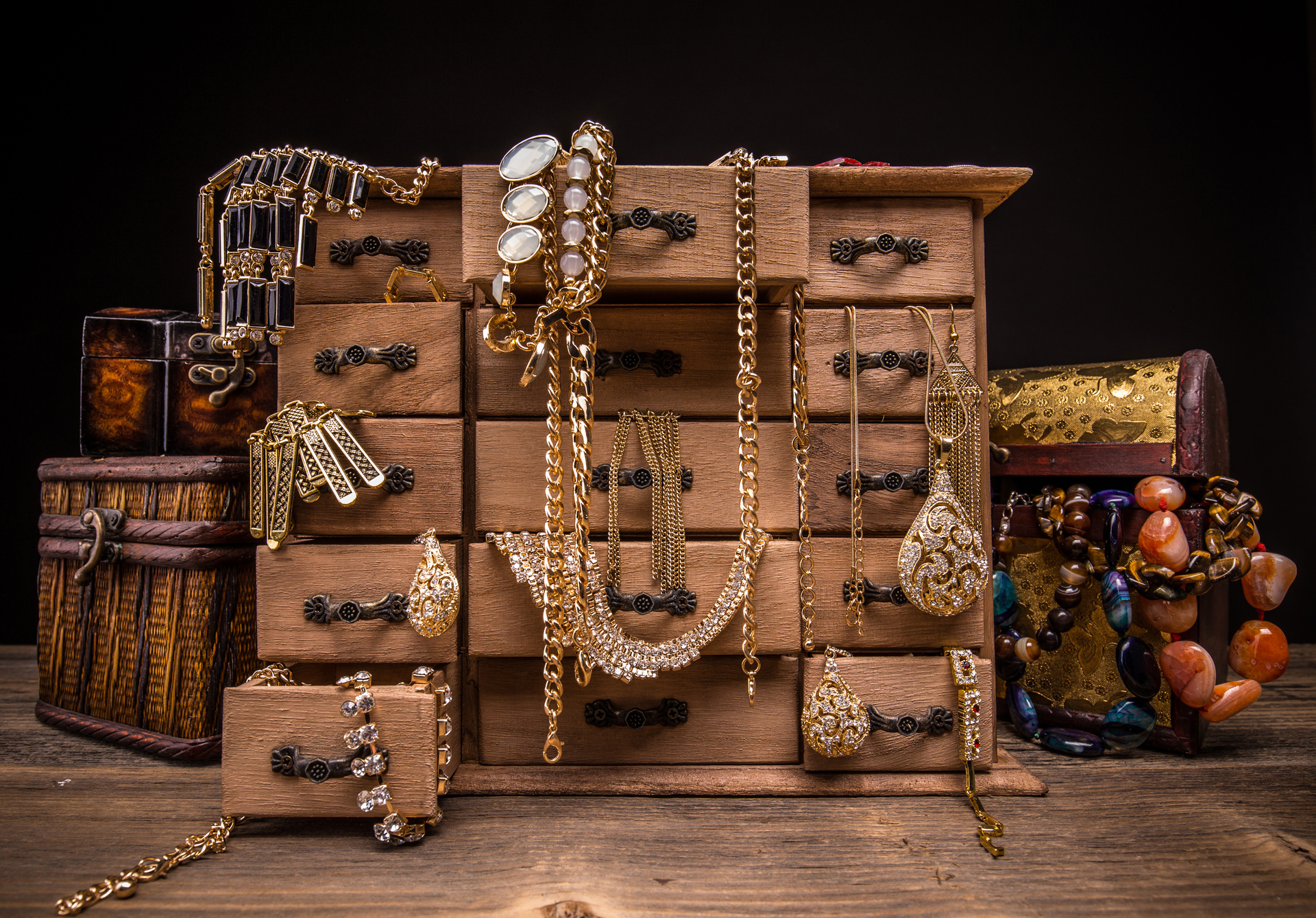
Proper storage also helps preserve gemstone condition. Keeping jewelry in separate compartments or soft-lined cases reduces the possibility of harder gemstones scratching softer stones when pieces come into contact with one another.
Cleaning methods should also be matched to the specific gemstone. Some stones tolerate ultrasonic cleaning, while others may require gentle cleaning with mild soap, water, and a soft cloth. Certain gemstones may also be sensitive to prolonged heat, steam, or harsh cleaning chemicals.
Environmental exposure may influence gemstone condition over time. Household chemicals, cosmetics, lotions, chlorine, and prolonged sunlight can affect some gemstones differently depending on their mineral composition and treatments.
Gemstone treatments should also be considered when purchasing jewelry. Heat treatments, fracture filling, oil treatments, and other enhancement methods may influence recommended care procedures. Understanding whether a gemstone has received treatment helps owners maintain it appropriately throughout its lifetime.
While hardness contributes to scratch resistance, no gemstone is completely immune to damage. Even diamonds, despite ranking highest on the Mohs scale, may chip if struck with sufficient force at certain angles. Proper handling remains important regardless of the stone selected.
“Choosing a gemstone involves more than selecting a favorite color,” said Ken Bowers, owner of KenWorks in Metairie, Louisiana. “Understanding hardness and how different gemstones respond to everyday wear helps people choose jewelry that matches both personal style and daily activities while preserving its appearance over time.”
As consumers continue exploring a wide variety of natural and laboratory-grown gemstones, understanding basic gemstone characteristics remains an important part of making informed jewelry decisions. Considering hardness, durability, setting design, lifestyle, and proper care can help jewelry maintain its beauty through years of everyday wear.
Morgan Thomas
Rhino Digital, LLC
+1 504-875-5036
email us here
Visit us on social media:
Facebook
Legal Disclaimer:
EIN Presswire provides this news content “as is” without warranty of any kind. We do not accept any responsibility or liability
for the accuracy, content, images, videos, licenses, completeness, legality, or reliability of the information contained in this
article. If you have any complaints or copyright issues related to this article, kindly contact the author above.

Media gallery