Intermountain Health experts say the transition can be stressful for children and parents alike.
Las Vegas, NV (PRUnderground) June 5th, 2026
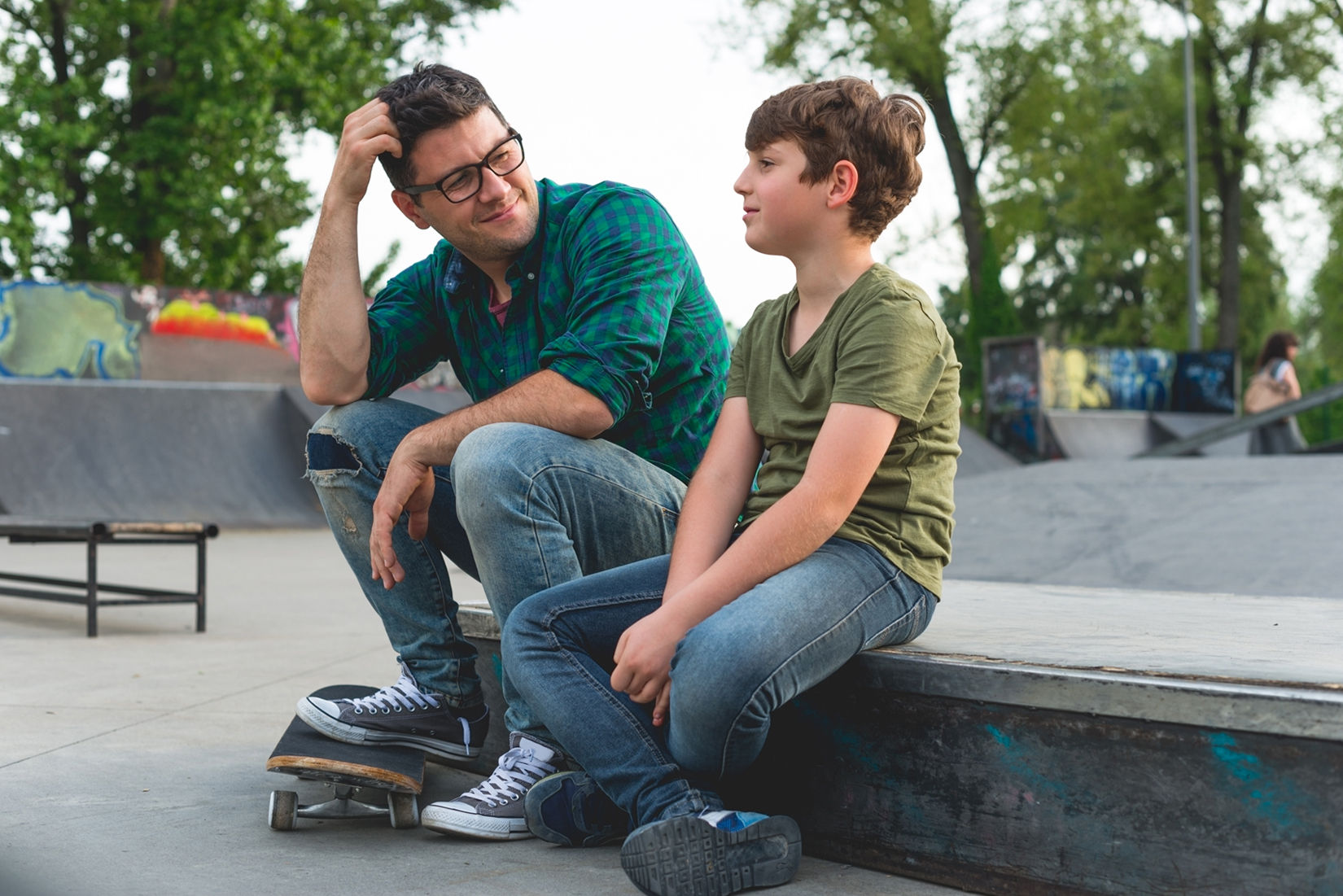
With the school year ending and families moving from graduations and competitions into summer, mental health experts say the transition can be stressful for children and parents alike.
Madelyn Mai, a licensed social worker with the Intermountain Health Sunridge Heights Clinic in Henderson, Nev., said summer can be a time when families, especially parents, feel overextended after a rush of end-of-school activities such as rehearsals, competitions, and graduations.
With so many rapidly changing events, she said, there is often little time to slow down and process everything.
During this season of transition, it is common for children to feel increased anxiety, Mai said. Emotions can run high, and both children and families may feel overwhelmed or overstimulated.
Nationally, one in five children ages 3 to 17 experiences a mental, emotional, developmental, or behavioral disorder.
Suicide remains the second leading cause of death among youth ages 10 to 24 in the U.S., and ranks ninth in Nevada, according to the American Foundation for Suicide Prevention.
As children prepare for a shift in daily routines, Mai said emotional and mental health challenges can surface or intensify. She said these transitions can be overwhelming for students and families, making it important for parents and caregivers to recognize early signs of distress and to seek support before a crisis occurs.
Experts at Intermountain Children’s Health have developed a Mental Health Toolkit aimed at helping families prepare for the transition with emotional wellness in mind. The toolkit includes strategies such as maintaining consistent daily routines with predictable schedules for sleep, meals, physical activity, focused learning and screen time; modeling a positive outlook on transitions; and setting clear expectations in age-appropriate ways while helping children understand and manage their emotions.
The toolkit also encourages families to foster open communication by checking in regularly, validating feelings and working together on strategies to stay calm and manage challenges. It also emphasizes maintaining friendships and creating meaningful goodbyes, while reinforcing that growth can bring increased responsibility, such as chores, summer jobs, or ongoing commitments.
For families looking for help, Mai said a trusted first step is contacting a family pediatrician, who can assess a child’s needs and guide families toward appropriate care, including therapy options.
Intermountain Health also offers a free Behavioral Health Navigation Line at 833-442-2211 to help connect families with resources tailored to their child’s situation.
About Intermountain Health
Headquartered in Utah with locations in six states and additional operations across the western U.S., Intermountain Health is a nonprofit system of 34 hospitals, approximately 400 clinics, medical groups with some 4,600 employed physicians and advanced care providers, a nonprofit health plan called Select Health with more than one million members, and other health services. Helping people live the healthiest lives possible, Intermountain is committed to improving community health and is widely recognized as a leader in transforming healthcare by using evidence-based best practices to consistently deliver high-quality outcomes at sustainable costs. For up-to-date information and announcements, please see the Intermountain Health newsroom at https://news.intermountainhealth.org/. For more information, see intermountainhealth.org/ or call 801-442-2000.
The post Intermountain Health Experts Warn Kids and Families Can Be Overwhelmed After School Year Ends first appeared on
Original Press Release.